









Boku-Undo Natural Bamboo Dip Pen
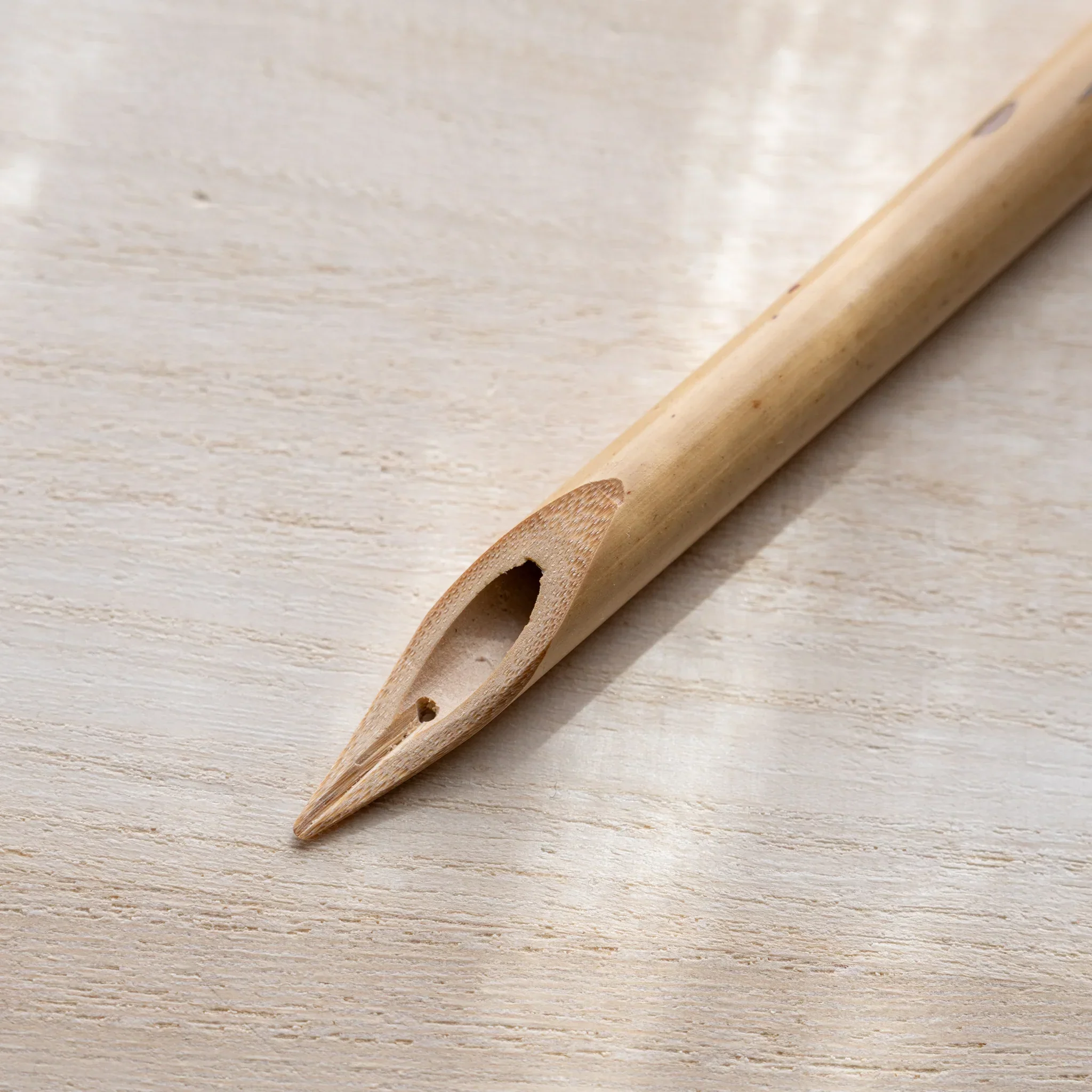
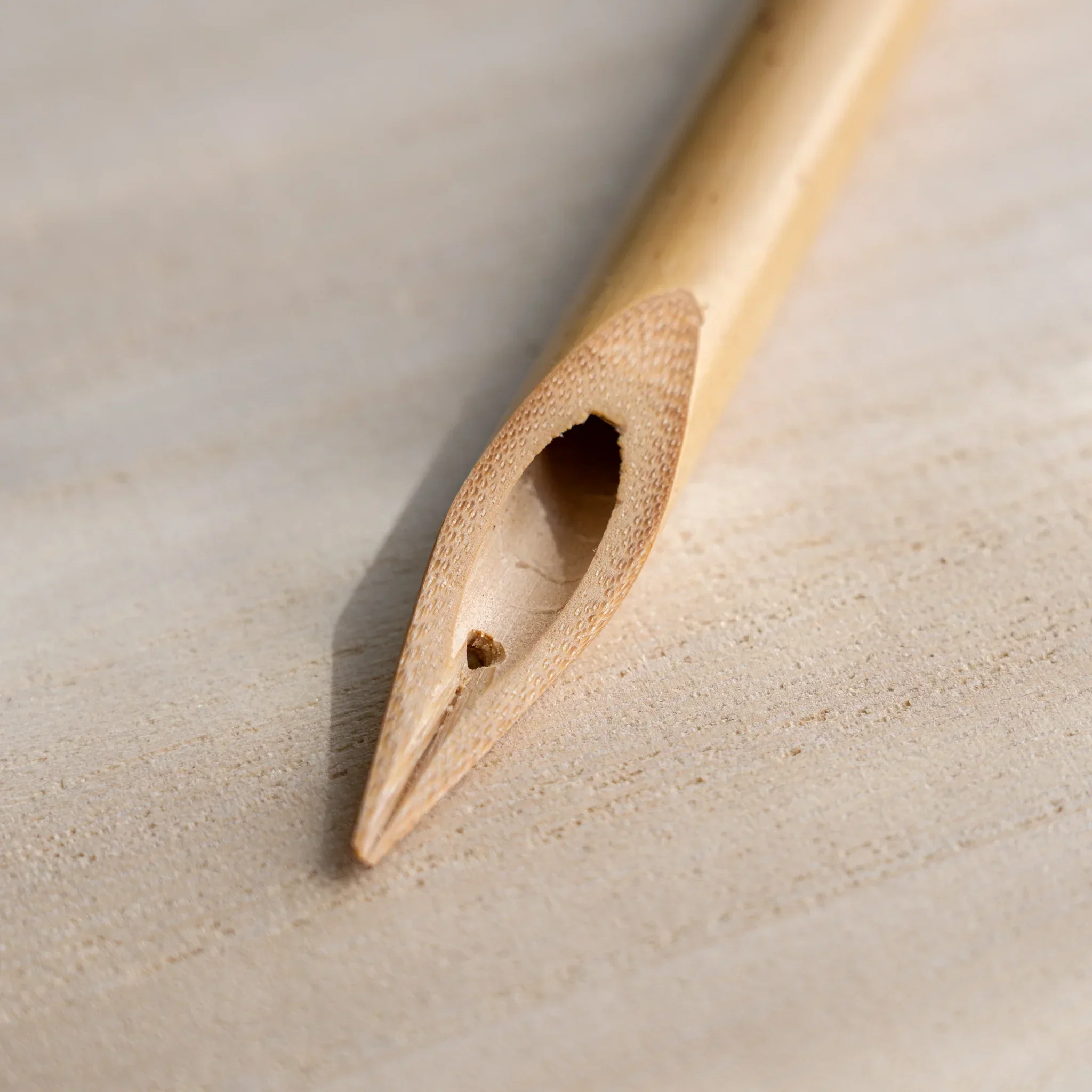
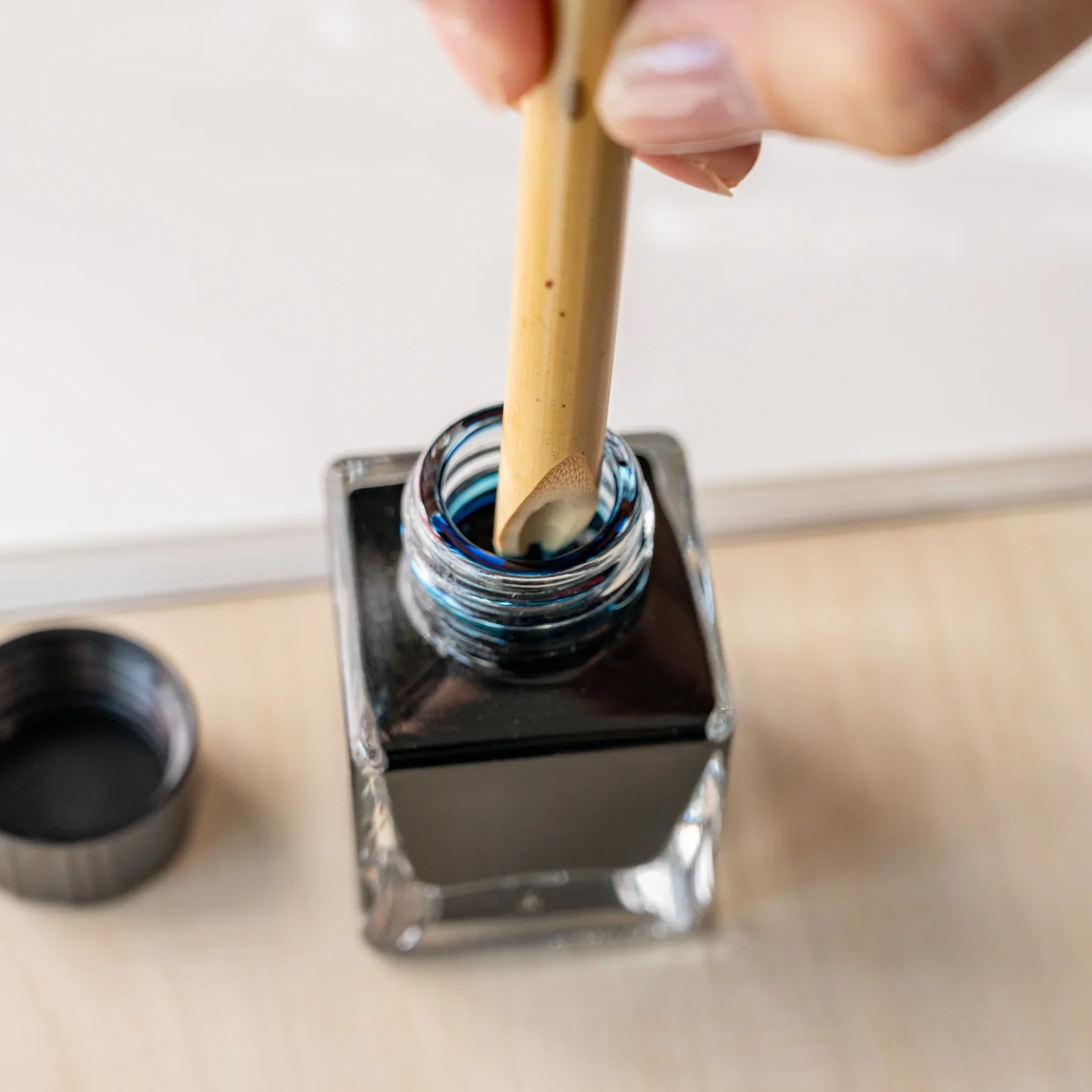
This is a bamboo dip pen, handcrafted by Boku-undo in Nara, Japan. No reservoir, no cartridge. You dip the tip in ink, write until it runs dry, and dip again.
Unlike glass dip pens with deep channels carved along the nib, this pen doesn't hold a lot of ink per dip. Bamboo carries ink on its surface rather than inside grooves, so you'll get a shorter run of writing each time. The line starts rich and gradually fades as the ink runs out, which gives your writing a natural variation in tone.
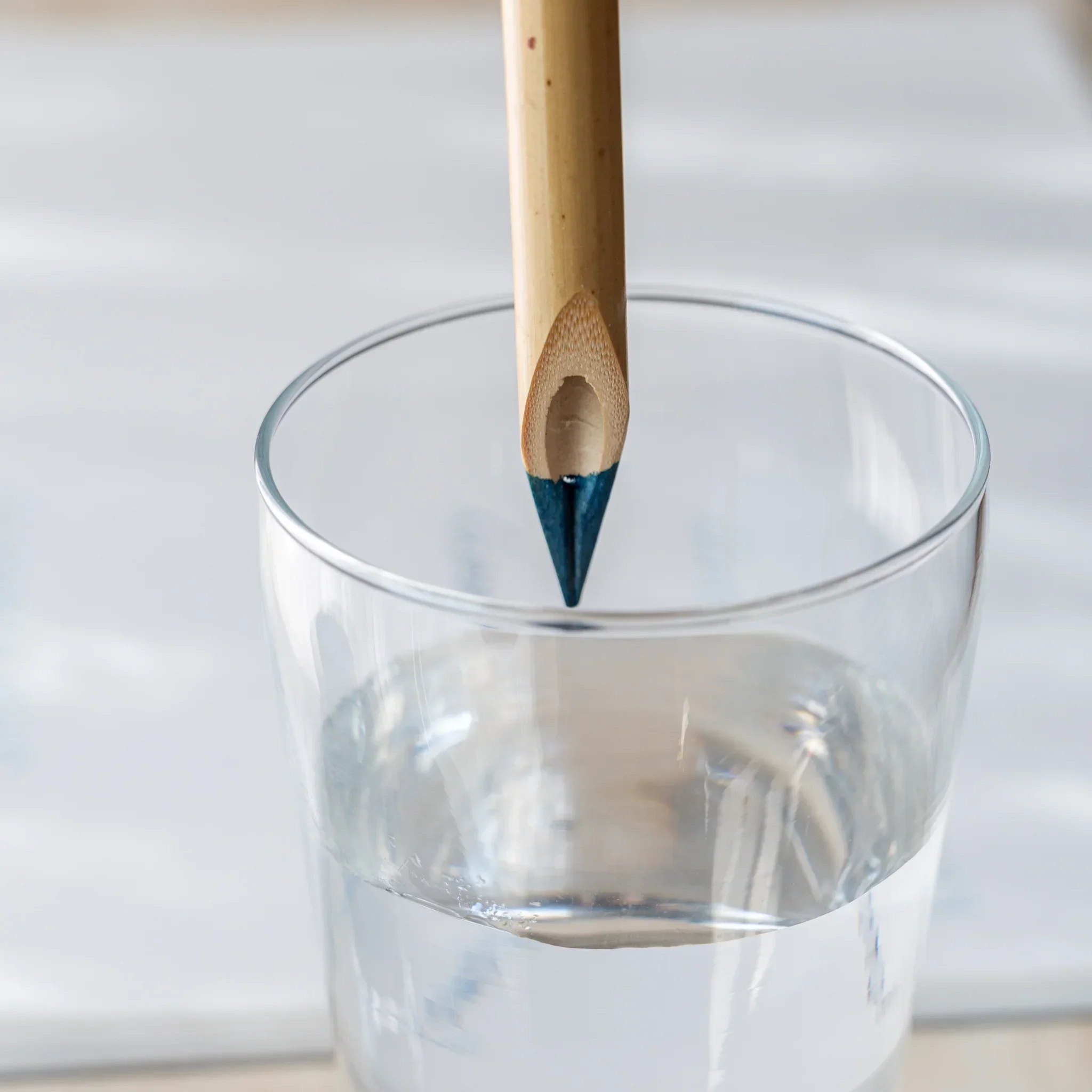
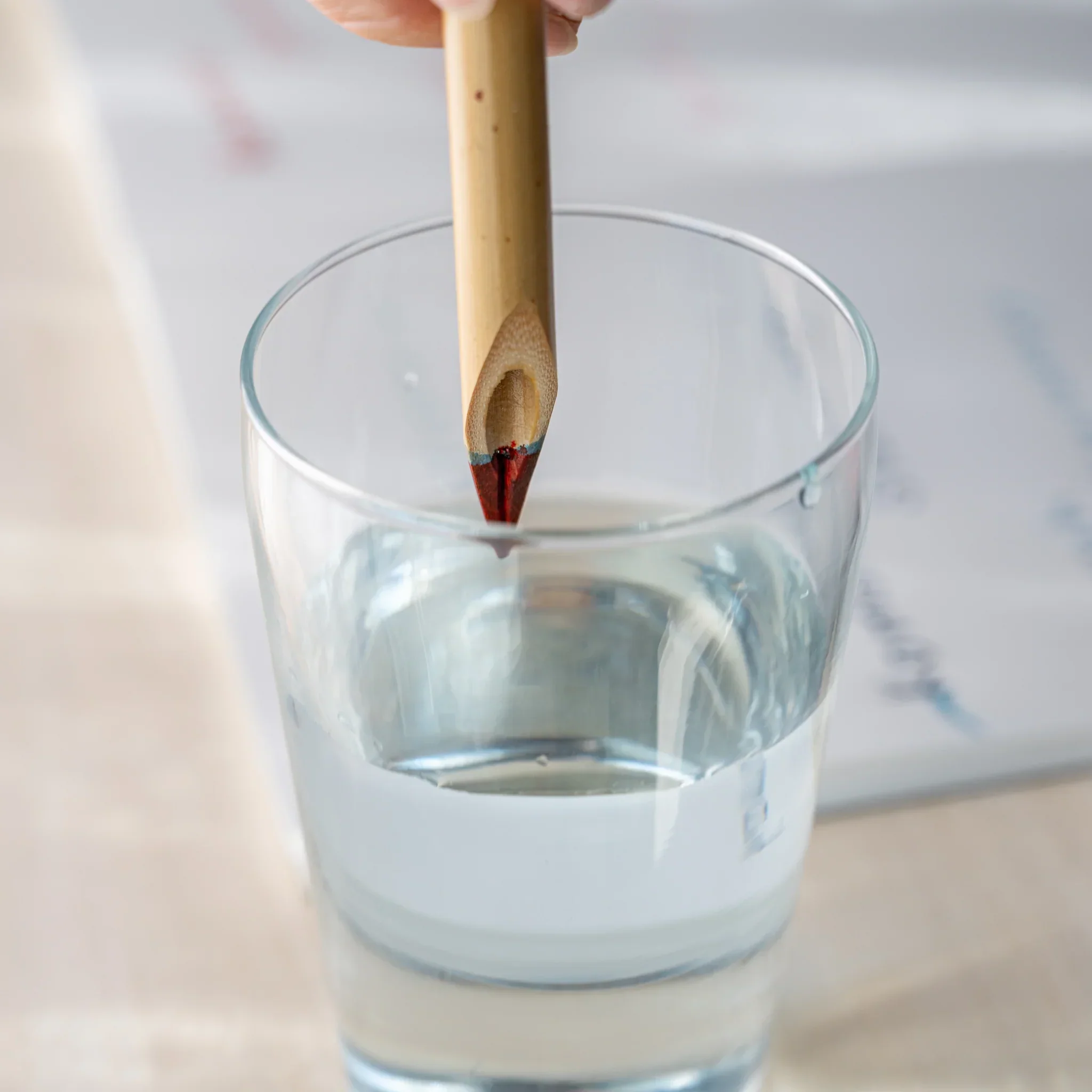
The product photos walk you through the full process: dipping in blue ink and writing, re-dipping and writing again, rinsing the tip in water, then switching to a red-orange ink. You can see how much writing you get from each dip, how the line fades as the ink runs out, and how cleanly the color switches after rinsing.
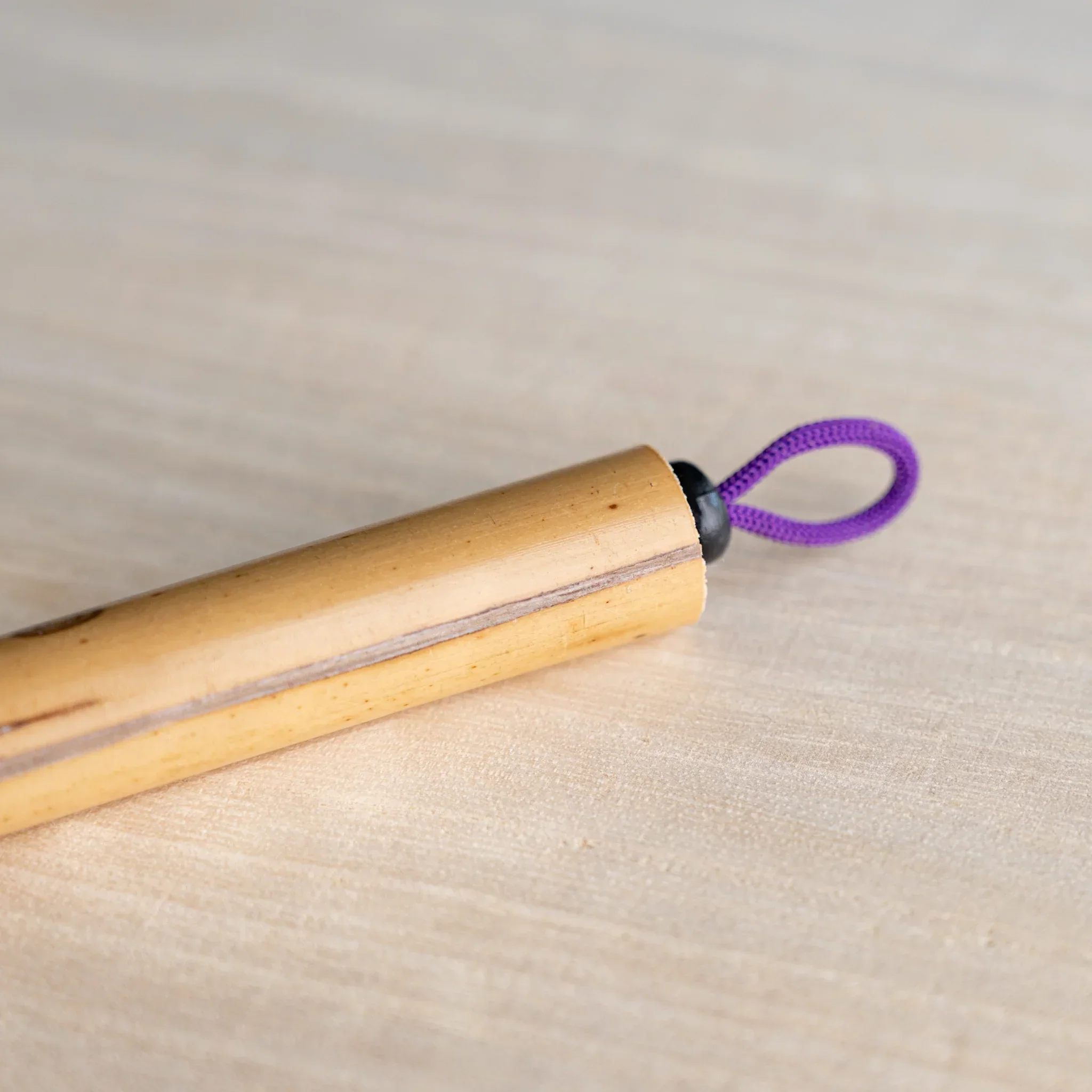
Because bamboo is a natural material, it feels lighter and more organic in hand than glass or metal nibs. The lines have a soft, warm quality that works nicely in journals, hand-lettered headings, sketches, or mixed-media projects.
This isn't meant to replace your everyday pen. It's more of a way to slow down, enjoy working with ink directly, and experience the simple combination of bamboo and ink that goes back centuries across East Asia. If you're into journaling or art projects and want something with a different feel, it's worth a try.
The tip can be trimmed with a craft knife to adjust the line width to your preference. Each pen is handmade from natural bamboo, so expect slight variations in shape and texture.
Details
- Size: 7.1" × 0.4" (18.0 cm × 1.0 cm)
- Weight: 0.2 oz (6 g)
- Tip Size: Customizable (trim the tip with a craft knife to your preferred width)
- Material: Bamboo
- Brand: Boku-undo
- Note: As each pen is handmade using natural bamboo, slight variations in color and pattern are natural and unique to every piece.
About Boku-undo
Before ink became a hobby, it was essential infrastructure.
In 7th-century Japan, Buddhist monks in Nara needed ink to copy sutras. Thousands of pages, by hand, with precision. Nara became the center of Japan's ink-making tradition not by accident, but because it had to. That craft took root, and it never left. Today, over 90% of Japan's traditional ink is still made in Nara.
Boku-undo was founded in 1805 in that same city. Starting as a small shop called Gobotoh, they have spent over two centuries doing one thing: making ink well. They handle every step in-house, from raw materials to distribution.
That kind of continuity is rare. Of the 38 ink makers operating in the Edo era, only 13 survived the Meiji Restoration. Boku-undo is one of them. What kept them going wasn't nostalgia. It was constant research into soot composition, glue chemistry, and pigment dispersion, with the same rigor you'd find in any modern materials lab.
Their lineup reflects that range: solid sumi ink sticks, liquid inks, gansai watercolor sets, and handcrafted bamboo pens. All of it built on the same craft that started in 1805.
At Komorebi Stationery, we carry Boku-undo because we believe the best tools have a reason behind them.
Original: $16.00
-65%$16.00
$5.60Product Information
Product Information
Shipping & Returns
Shipping & Returns
Description
This is a bamboo dip pen, handcrafted by Boku-undo in Nara, Japan. No reservoir, no cartridge. You dip the tip in ink, write until it runs dry, and dip again.
Unlike glass dip pens with deep channels carved along the nib, this pen doesn't hold a lot of ink per dip. Bamboo carries ink on its surface rather than inside grooves, so you'll get a shorter run of writing each time. The line starts rich and gradually fades as the ink runs out, which gives your writing a natural variation in tone.
The product photos walk you through the full process: dipping in blue ink and writing, re-dipping and writing again, rinsing the tip in water, then switching to a red-orange ink. You can see how much writing you get from each dip, how the line fades as the ink runs out, and how cleanly the color switches after rinsing.
Because bamboo is a natural material, it feels lighter and more organic in hand than glass or metal nibs. The lines have a soft, warm quality that works nicely in journals, hand-lettered headings, sketches, or mixed-media projects.
This isn't meant to replace your everyday pen. It's more of a way to slow down, enjoy working with ink directly, and experience the simple combination of bamboo and ink that goes back centuries across East Asia. If you're into journaling or art projects and want something with a different feel, it's worth a try.
The tip can be trimmed with a craft knife to adjust the line width to your preference. Each pen is handmade from natural bamboo, so expect slight variations in shape and texture.
Details
- Size: 7.1" × 0.4" (18.0 cm × 1.0 cm)
- Weight: 0.2 oz (6 g)
- Tip Size: Customizable (trim the tip with a craft knife to your preferred width)
- Material: Bamboo
- Brand: Boku-undo
- Note: As each pen is handmade using natural bamboo, slight variations in color and pattern are natural and unique to every piece.
About Boku-undo
Before ink became a hobby, it was essential infrastructure.
In 7th-century Japan, Buddhist monks in Nara needed ink to copy sutras. Thousands of pages, by hand, with precision. Nara became the center of Japan's ink-making tradition not by accident, but because it had to. That craft took root, and it never left. Today, over 90% of Japan's traditional ink is still made in Nara.
Boku-undo was founded in 1805 in that same city. Starting as a small shop called Gobotoh, they have spent over two centuries doing one thing: making ink well. They handle every step in-house, from raw materials to distribution.
That kind of continuity is rare. Of the 38 ink makers operating in the Edo era, only 13 survived the Meiji Restoration. Boku-undo is one of them. What kept them going wasn't nostalgia. It was constant research into soot composition, glue chemistry, and pigment dispersion, with the same rigor you'd find in any modern materials lab.
Their lineup reflects that range: solid sumi ink sticks, liquid inks, gansai watercolor sets, and handcrafted bamboo pens. All of it built on the same craft that started in 1805.
At Komorebi Stationery, we carry Boku-undo because we believe the best tools have a reason behind them.